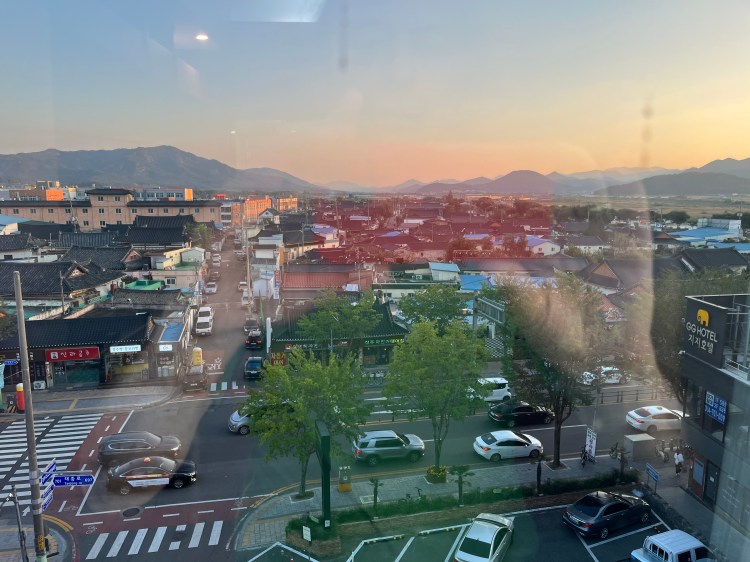
Looking out from our hotel window is a complete contrast to Seoul. The city is ringed by mountains and contains mostly traditional buildings with tiled roofs, with just the odd block that rises to three stories.
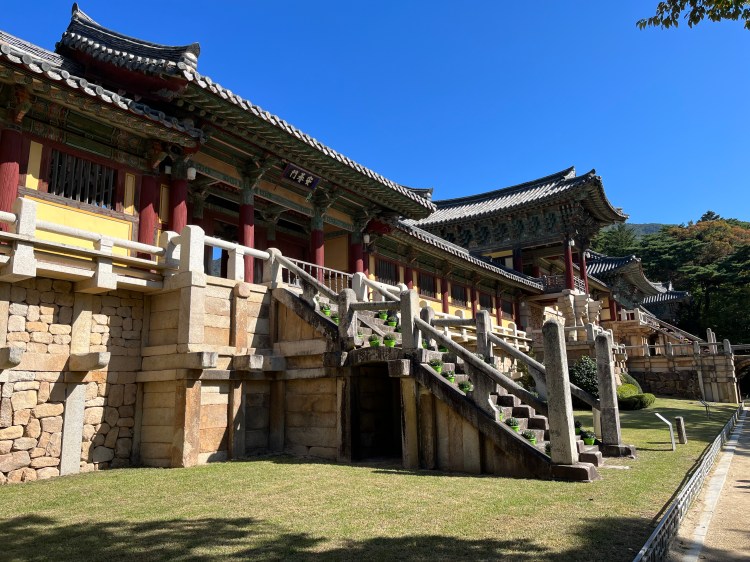
For our second day here we were exploring some of the history of the area. BK met us at the hotel and we drove up to Bulguksa, an ancient Buddhist temple in the mountains. Originally built in 774, but destroyed and rebuilt several times, it contains six national treasures, including two statues of Buddha that we weren’t allowed to photograph. It also houses the earliest woodblock prints in the world.
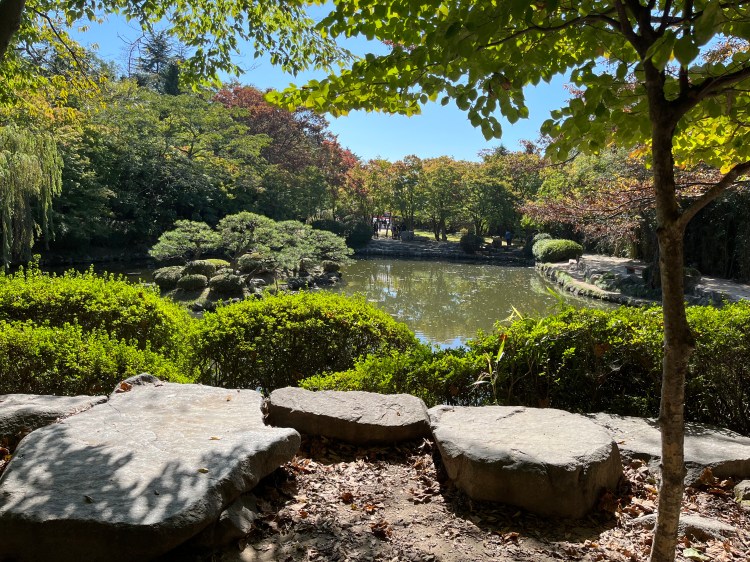
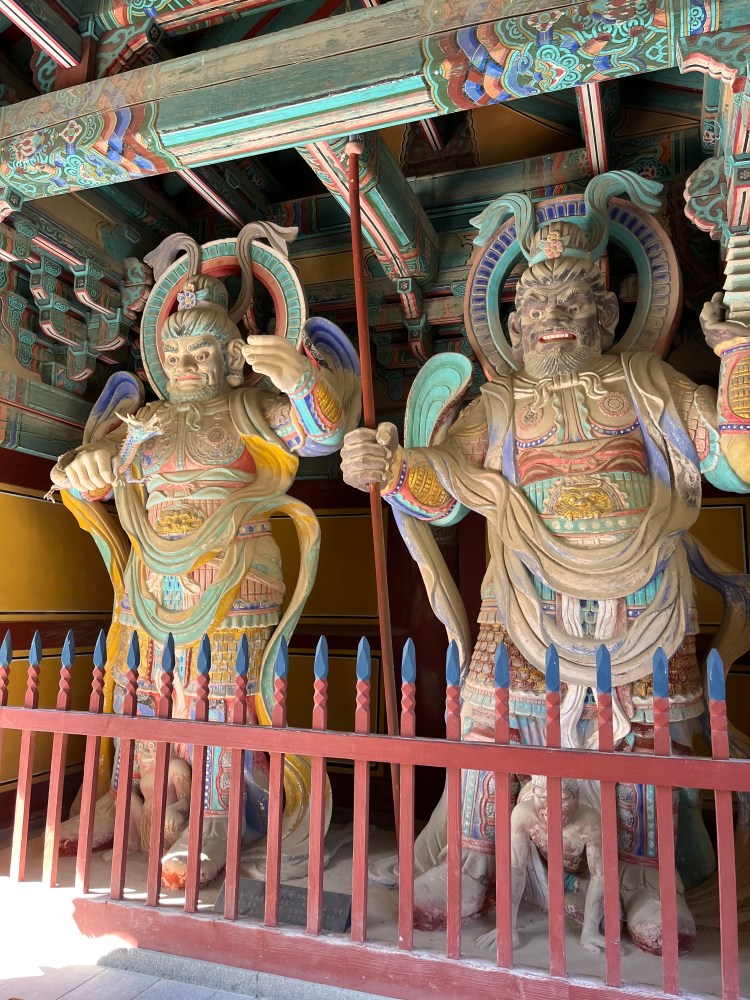
As always, there are five gates, guardians and a lake. And people in your photos!
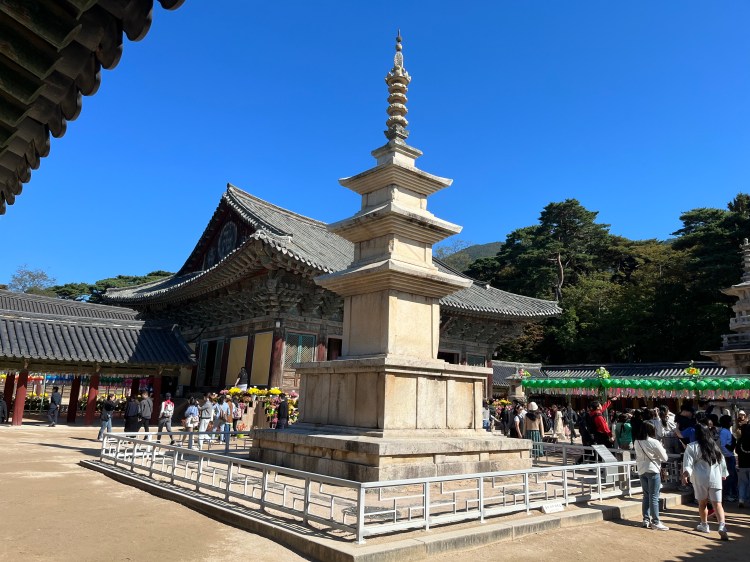
The foundation of the last gate is made of granite blocks, the top layer of which have been carved to fit the irregular stones below them. That way, the floor is flat. A massive undertaking in the days before power tools.
From there, we continued up the mountain the Seokguran Grotto, a place of meditation. Normally, an existing cave would be used, but there aren’t any in the area so they had to make one! When originally built, the dome comprised 365 granite blocks perfectly fitted together. Water would seep through the roof, which provided a natural cooling mechanism. During a restoration project by the Japanese in the early 1900s, the dome was encased in concrete to stabilise it. This led to humidity and erosion of the statues. Today, the front of the dome is sealed with a glass panel and they have a dehumidifier permanently on inside.
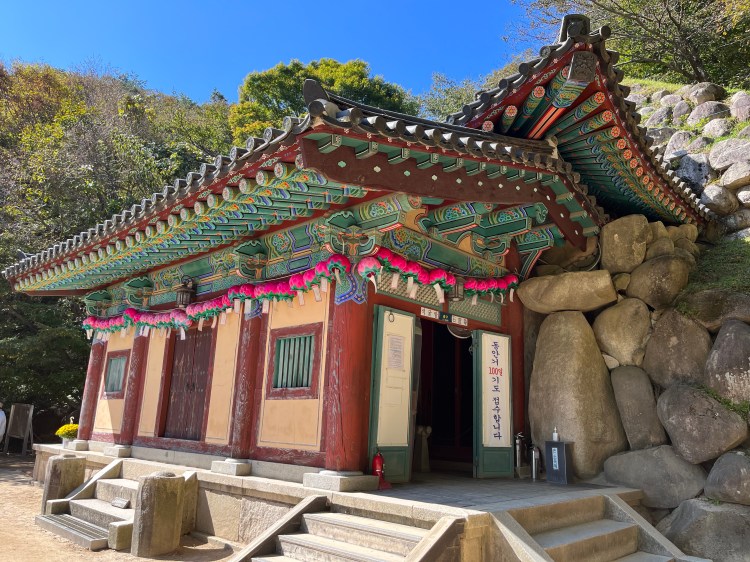
At sunrise, the sun lights up the statue of the Buddha inside the grotto, and it is a very popular time to visit. We came later!
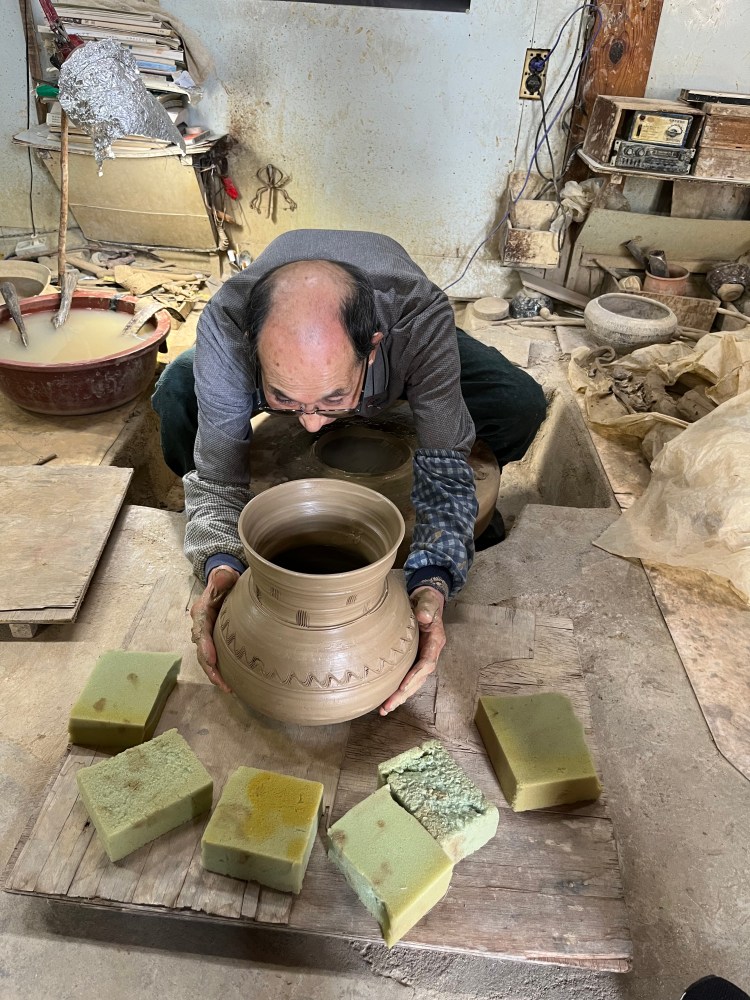
From there we descended down into Gyeongju to visit the folk craft village. This was started in the 80s by a potter who had revived the ancient Silla method of making unglazed waterproof pottery. He gave us a demonstration, working at a foot-driven wheel to make a traditional pot. We also viewed his wood-fired kiln, which is built on a slope for better control of the temperature. His exhibition room contained hundreds of items at remarkably low prices considering the amount of work that goes into them.
Next we made a lunch stop at another one of those Korean restaurants that specialises in one type of dish. This time it was ddudukgalbi, a local speciality of minced short-rib beef. Plus accompaniments including, tofu, soup, pickled raw fish, kimchi, leek, orange radish, pickled lettuce stalks, various dips and a plaice, that BK dissected with chopsticks.
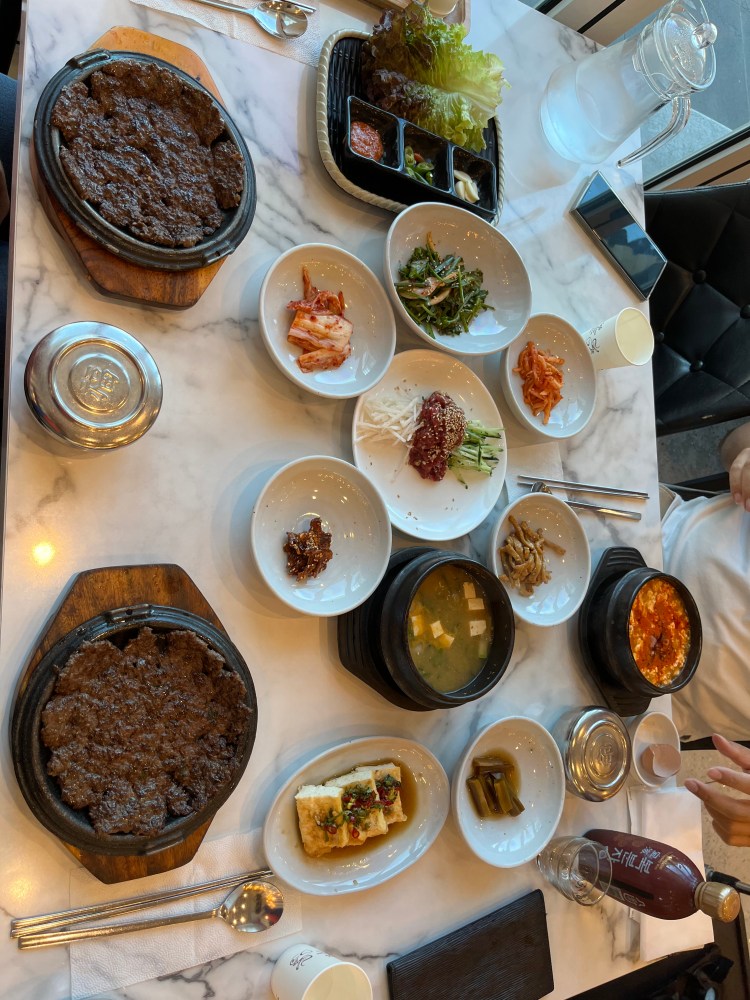
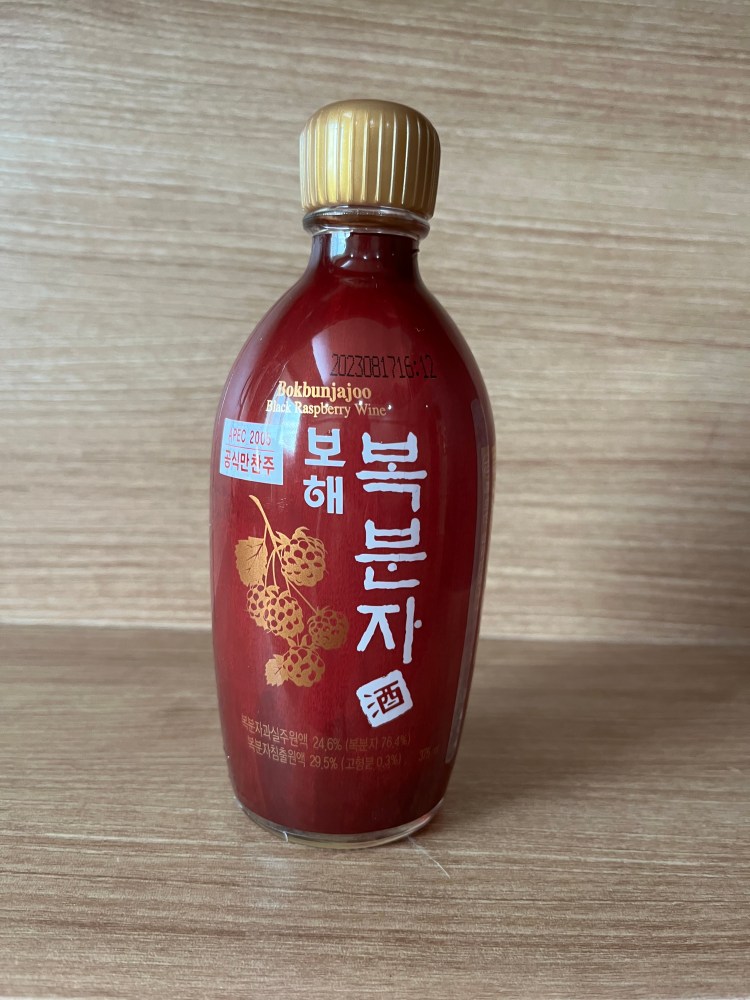
The house also threw in a “gift” for BK as he hadn’t been there for a while, the Korean version of steak tartare. We also spotted raspberry wine on the menu, so thought we’d try a glass. We got a bottle! As it was 15% alcohol, we took some back to the hotel with us.
Our final destination for the day was Yangon Village, a UNESCO heritage site. Founded in 14th century, it was a clan village, based on Confucian culture and laid out according to Feng Shui principles.
It is somewhat unusual for a Heritage site in that the houses are still occupied, mainly by the original two clans that started the place. We went into one house and BK told us that the owner must be at home, because he plays classical music to drown out the noise of the tourists!
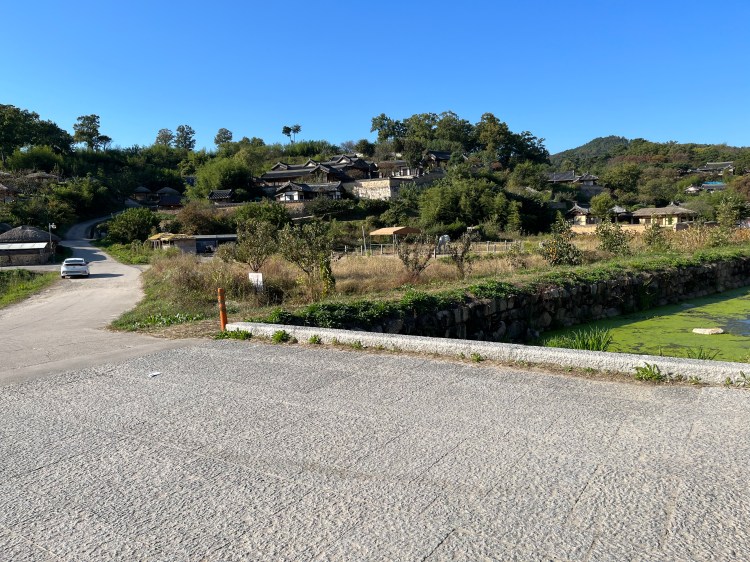
Despite that, the whole village exudes an air of peace. It must be a lovely place to live if you can handle all the visitors.
 Steve and Diane on Tour
I’m thoroughly enjoying your trips from the comfort of my PC, Steve!!! To be honest – I’ll stick with French Toast at Fat Zebra as Korean food doesn’t look inviting to me! 🙂
LikeLike